







Search Results for: Brazilian coffee varieties
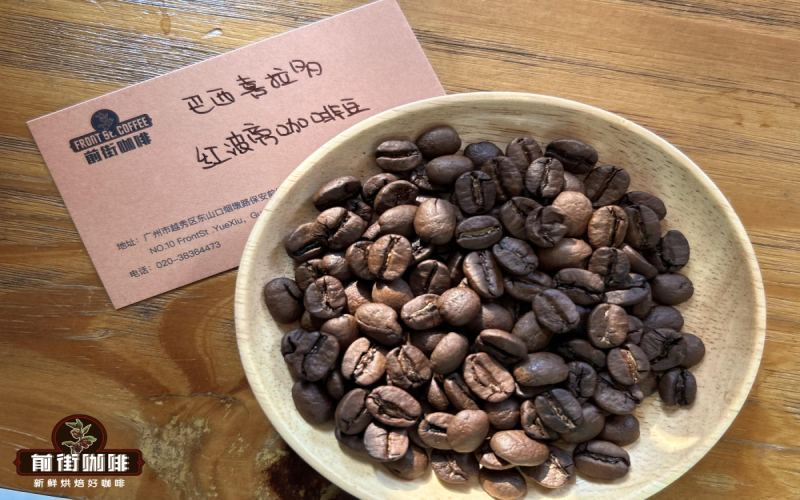
Brazilian Coffee Bean Varieties Analysis, Famous Estates Overview, and Front Street Brand Single-Origin Recommendations Guide
As the world's number one producer of coffee, Brazil is known for offering excellent value, capable of serving as the base for espresso blends or standing alone as a pour-over with balanced flavors. This article will systematically review the history of Brazilian coffee variety improvement, the distribution of major producing regions, differences in processing methods, and the export grading system. It will also introduce two representative products—Front Street Queen Estate and Front Street Dark Cocoa Blend—while providing in-depth analysis of the flavor characteristics of classic origins such as Santos and Cerrado, helping coffee enthusiasts gain a comprehensive understanding of this South American coffee giant. [more…]
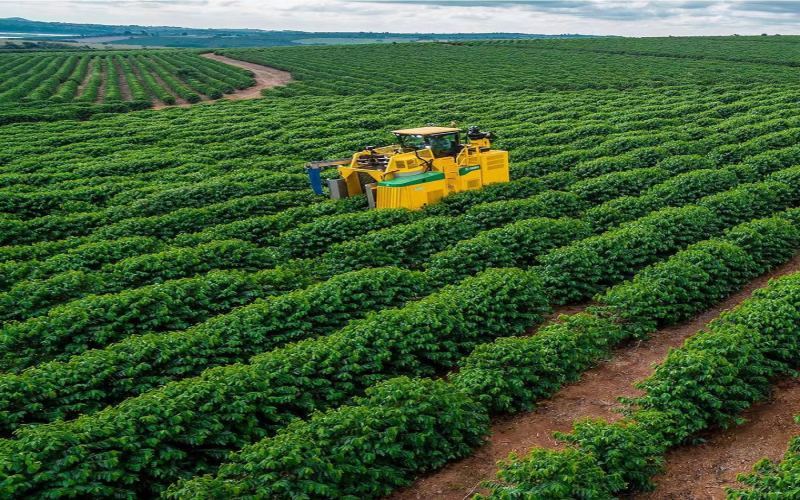
The Past and Present of Brazilian Bourbon Coffee: A Full Analysis of the Variety and Flavor from Introduction to Specialty Producing Regions
As the world's largest coffee producer, Brazil's coffee cultivation history can be traced back to 1727. From its initial introduction to today, where the state of Minas has become a core specialty coffee region, Brazilian coffee has undergone government control, free market opening, and quality reform. This article systematically reviews the variety characteristics and flavor performance of the Brazilian Bourbon variety, and how Front Street Coffee presents the unique charm of Brazilian coffee through two beans from Cerrado and Queen's Estate, along with detailed brewing parameters and flavor descriptions. [more…]
Analysis of Brazilian Coffee Bean Varieties and Flavors: Production Region History, Cultivation Stories, and Global Production Status
Brazil is the country with the largest coffee cultivation scale and production volume in the world, supplying nearly 45% of the world's green coffee beans. This article provides a comprehensive overview of the industrial landscape of this major South American coffee country, from the distribution of coffee-producing regions in Brazil, its legendary cultivation history, and the characteristics of its main varieties to its flavor and taste profile. The article also introduces the Brazilian Cerrado Red Bourbon and Queen's Estate Yellow Bourbon selected by Front Street Coffee, along with detailed pour-over parameters and brewing flavor descriptions, making it suitable for enthusiasts who want to gain a deeper understanding of Brazilian coffee. [more…]
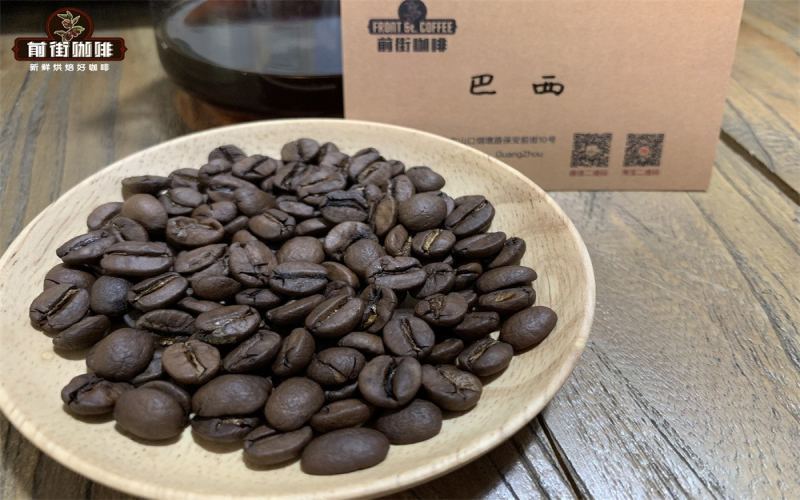
Analysis of Brazilian Coffee Bean Flavor Characteristics and the Pulped Natural Processing Method: Is Arabica Suitable for Pour-Over?
As the world's largest coffee producer, Brazil is known for its coffee beans with low acidity, nutty and chocolate flavors, and a smooth mouthfeel, making them suitable for both blends and single-origin brews. This article explores Brazil's coffee-producing regions, main varieties, and pulped natural processing method, offering an in-depth analysis of the flavor characteristics of Brazilian coffee beans and discussing whether they are suitable for pour-over coffee. It also combines Front Street Coffee's Brazilian everyday beans and Queen Coffee to provide specific brewing parameters and flavor descriptions, helping coffee enthusiasts fully appreciate the charm of Brazilian coffee. [more…]

A Complete Guide to Brazilian Coffee Flavors and the Bourbon Family Varieties: From Red and Yellow Bourbon to Catuai and Laurina
As the country with the largest export volume of green coffee beans in the world, Brazil supplies about one-third of the world's production, yet there are only a handful of Brazilian single-origin beans that the public can name. This is not because Brazilian coffee quality is poor, but because flavors within the same producing region tend to be similar, so when choosing beans you only need to pick the most representative one. In this article, Front Street Coffee reviews the historical development of Brazilian coffee and sorts out one by one the origins and flavor characteristics of varieties such as Red Bourbon, Yellow Bourbon, Pink Bourbon, Caturra, Catuai, Mundo Novo, and Laurina, while also including specific information on the shop's two products, the Brazilian producing-region everyday drinking beans and the Queen's Estate, to help coffee lovers build a complete understanding of Brazilian coffee. [more…]
A Complete Analysis of Brazilian Coffee Bean Regions, Varieties, and Grades, with a Detailed Introduction to the Flavor Characteristics of Pour-Over Brazilian Coffee
Brazil, as the world's largest coffee producer, is renowned for coffee beans that are balanced in flavor, low in acidity, and prominently feature nutty and chocolate notes. This article will systematically introduce the main coffee-producing regions of Brazil, with a focus on analyzing the geographical characteristics of representative regions such as Cerrado, Sul de Minas, and Mogiana, as well as the flavor differences among core varieties like Red Bourbon and Yellow Bourbon. It will also provide a detailed explanation of how Brazil's unique pulped natural processing method improves coffee quality, along with hand-brewing parameters and brewing suggestions recommended by Front Street Coffee, helping coffee enthusiasts gain a comprehensive understanding of Brazilian coffee from origin to cup. [more…]
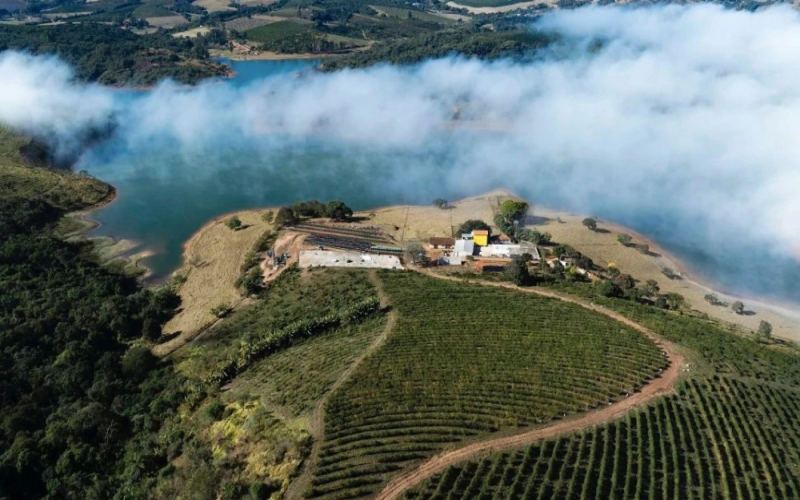
Brazilian Red Bourbon Espresso Beans: A Complete Analysis of Growing Regions, Varieties, Grading Systems, and Espresso Blend Ratios
Brazil is the world's largest coffee-producing country, and its beans are known for their full body, low acidity, and nutty and cocoa flavors, making them highly favored by drinkers who dislike sour coffee. The Brazilian beans in Front Street Coffee's everyday beans series come from Minas Gerais and are of the Red Bourbon variety. This article will review the growing conditions of Brazilian coffee regions, the characteristics of the Red Bourbon variety, the pulped natural processing method, the NY grading system, and its practical application in espresso blends, and will also include the specific recipes and flavor descriptions of two Front Street espresso blends, helping coffee lovers fully understand the core position of Brazilian beans in classic coffee flavors. [more…]
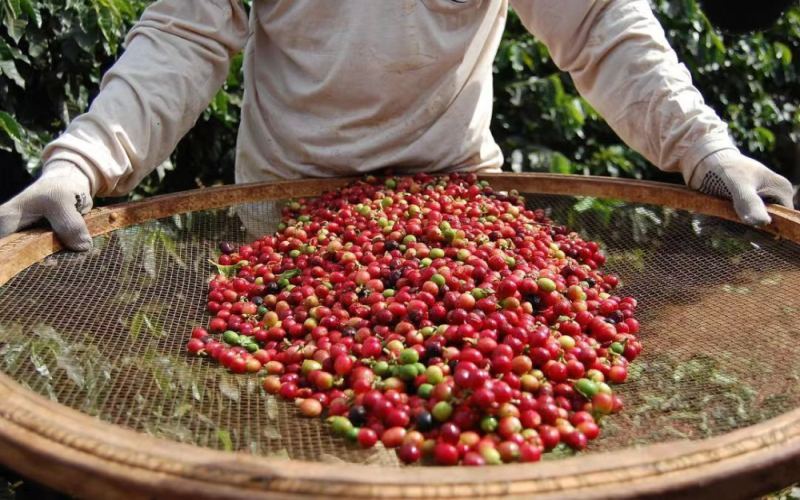
Brazilian Coffee Bean Flavor and Brewing Guide: Varieties, Grading, Producing Regions, Processing Methods, and Testing of Two Front Street Coffee Beans
Brazil is the world's largest coffee producer, offering both large-scale commercial beans and COE specialty coffees. Front Street Coffee currently carries only two Brazilian beans in its stores, reflecting a deliberate trade-off in pursuit of flavor distinctiveness. This article will start with the producing regions, varieties, processing methods, and grading systems to give you a comprehensive view of Brazilian coffee, and will also include detailed information and brewing parameters for Front Street's two Brazilian coffees—Cerrado Red Bourbon and Queen's Farm Natural Yellow Bourbon—to help you understand where Brazilian coffee's stable sweetness and nutty, chocolatey notes come from. [more…]
A Complete Guide to Brazilian Coffee Origins: From Variety Origins to Six Major Regions and Flavor Profiles
Brazil is the world's largest coffee-producing country, yet more than three hundred years ago there was not a single coffee tree here. From a romantic tale of seed-passing in 1727 to the six major producing regions spread across the country today, Brazilian coffee has traveled a long and winding road. This article will trace the varietal origins and historical development of Brazilian coffee, introduce the distribution of the six major producing regions—Bahia, Espírito Santo, Minas Gerais, São Paulo, Paraná, and Rio de Janeiro—and focus on presenting the origin information, processing methods, and flavor profiles of two Brazilian beans from Front Street Coffee: Queen Estate Yellow Bourbon and Cerrado Red Bourbon, helping coffee enthusiasts gain a comprehensive understanding of the charm of Brazilian coffee. [more…]
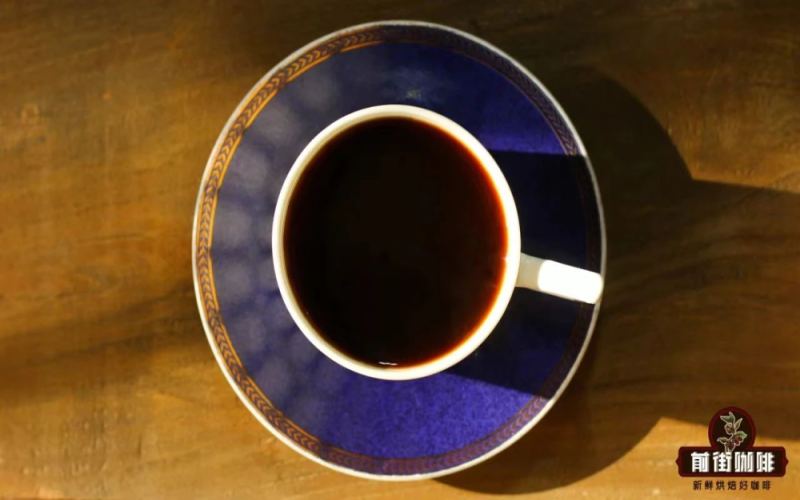
Analysis of the Evolution of Brazilian Coffee Regions and the Pulped Natural Process, Plus Brewing Parameters for Queen Farm's Yellow Bourbon
Brazil, as the world's largest coffee-producing country, has profoundly influenced the global coffee landscape through the development of its producing regions, the evolution of processing methods, and the cultivation of varieties. From the perspective of Front Street Coffee, this article traces the historical thread of Brazilian coffee from natural processing to the uniquely invented semi-washed (pulped natural) method, analyzes the terroir characteristics of three major specialty regions—Sul de Minas, Cerrado, and Mogiana—and provides a detailed introduction to major varieties such as Red Bourbon, Yellow Bourbon, Mundo Novo, and Yellow Catuai. At the same time, using Queen's Farm Yellow Bourbon as an example, it presents Front Street's recommended pour-over extraction parameters and three-stage pouring technique, helping coffee enthusiasts gain a more comprehensive understanding of the nutty flavor and full-bodied mouthfeel of Brazilian coffee. [more…]
A Complete Guide to Brazilian Coffee Origins: Flavor Characteristics, Varieties, and Processing Methods of Cerrado and Queen Estate
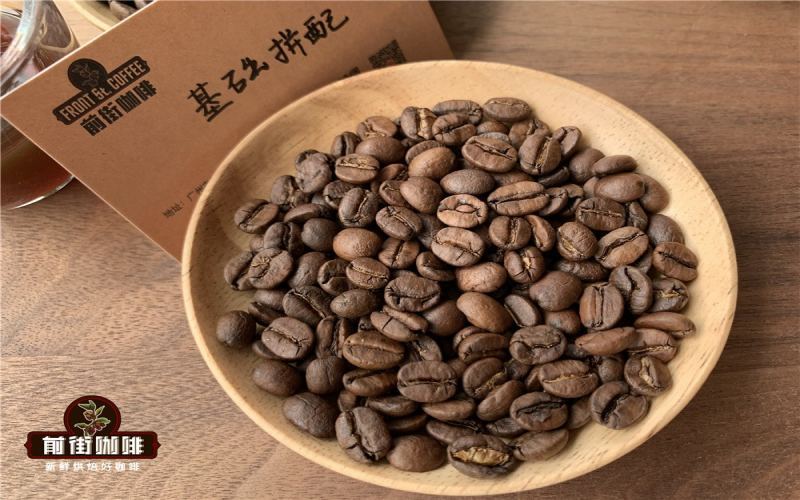
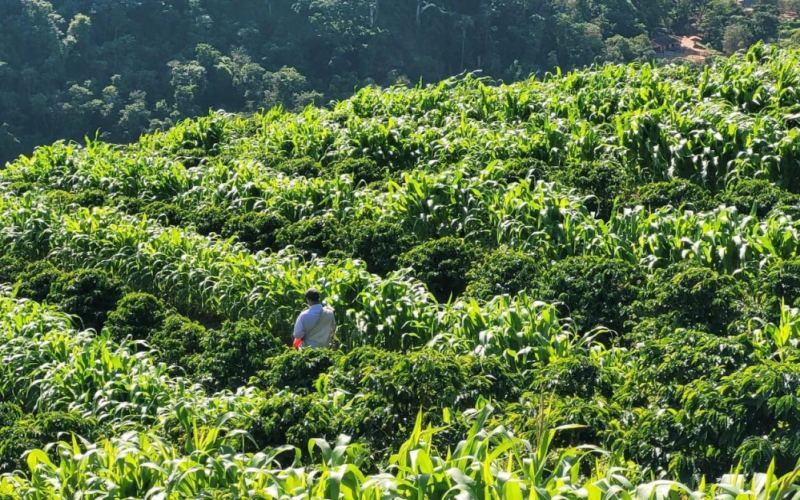
As the world's largest producer of Arabica coffee, Brazil's coffee, with its mild and smooth characteristics, low acidity, and moderate body, has become an indispensable foundational component in coffee blends. From Sul de Minas to the Cerrado, from Bourbon to Catuaí, Brazilian coffee varieties and processing methods each have their own distinctions. This article systematically examines the geographical conditions, major producing regions, variety characteristics, and processing methods of Brazilian coffee, with a focus on introducing the flavor profiles and brewing recommendations of two representative Brazilian beans selected by Front Street Coffee—the Cerrado and Queen's Farm—guiding you through a comprehensive understanding of the unique charm of this "coffee kingdom." [Image 1] As the cornerstone of coffee blends, Brazilian coffee beans, while lacking stunning highlights, also reveal no obvious shortcomings. They have a warm and gentle mouthfeel, low acidity, moderate body, and a hint of subtle sweetness. Completely different from the intense lemon-citrus acidity of Yirgacheffe, and unlike the heavy, bold intensity of Indonesian Mandheling, Brazilian coffee's acidity and bitterness are both relatively restrained, giving it a broad market in the blending field. Front Street's three blends: the Italian moka pot coffee beans recommended by many baristas—Front Street Dark Cocoa Blend, Specialty Blend, and Commercial Blend—all use Brazilian coffee beans as their base. [more…]
A Complete Analysis of Brazilian Coffee Flavor Characteristics, Major Producing Regions, and Variety Grading: From Bourbon to Pulped Natural Processing
Brazil is one of the top three coffee-producing and exporting countries in the world. Its coffee is known for a balanced, smooth profile with nutty and chocolatey notes. Although it is not as distinctive as Indonesian Mandheling or Ethiopian Yirgacheffe, it represents a cup of "authentic coffee." From the perspective of Front Street Coffee, this article systematically reviews Brazil's main coffee varieties (Bourbon, Mundo Novo, Catuai), four core producing regions (Minas Gerais, Sao Paulo, Bahia, Espirito Santo), its unique pulped natural processing method, and the rise of specialty coffees such as Queen's Farm. It also analyzes how Brazil's flat terrain affects flavor and compares it with high-altitude Colombian coffee. Whether you are a coffee enthusiast or a professional in the industry, you can gain an understanding of the underlying logic and quality potential of Brazilian coffee. [more…]
An Analysis of Brazilian Coffee Regions, Varieties, and Processing Methods: Flavor Codes from Red Bourbon to Queen's Estate Yellow Bourbon
Brazil, as the world's largest coffee producer, is renowned for its smooth mouthfeel and soft-bean flavor. From the introduction of coffee seeds to Brazil in the eighteenth century, to the replacement of Typica by Bourbon, and then to the birth of the pulped natural process, this land has given rise to a rich and diverse array of coffee varieties and processing methods. The two Brazilian Bourbons on Front Street Coffee's menu—the Cerrado Red Bourbon and the Queen's Estate Yellow Bourbon—are processed using the pulped natural and natural methods respectively, presenting classic flavors such as nuts, chocolate, and caramel. This article takes you deeper into the varietal characteristics and processing secrets of Brazilian coffee. [more…]
An Analysis of the Main Varieties and Flavor Characteristics of Brazilian Coffee Beans: From Bourbon to Cerrado and Queen's Manor
As the world's largest coffee producer, Brazil boasts a rich and diverse range of coffee varieties and growing regions. This article traces the historical development of Brazilian coffee, focusing on the evolution from Typica to Bourbon varieties, and takes a deep dive into two Bourbon representatives on the Front Street Coffee bean list—Cerrado Red Bourbon and Queen Estate Yellow Bourbon. It covers growing region elevations, processing method differences, flavor characteristics, and brewing suggestions, helping coffee lovers gain a comprehensive understanding of the soft-bean flavor and nutty notes of Brazilian coffee. [more…]
A Complete Guide to Brazilian Coffee Flavor Characteristics and Producing Regions: From Pulped Natural Processing to Bourbon Varieties
Brazil, as the world's largest producer of Arabica coffee, is known for its low acidity, nutty and chocolatey flavor profile, and full body, and is widely used in espresso blends. This article systematically reviews the cultivation history of Brazilian coffee, the terroir differences between its main producing regions (Sul de Minas and Cerrado), the characteristics of Red Bourbon and Yellow Bourbon varieties, and the pulped natural process developed to suit the local climate. At the same time, Front Street Coffee will share brewing ideas for Brazilian coffee and the three-stage brewing parameters for the KONO dripper, giving you a comprehensive understanding of this balanced yet understated coffee powerhouse. [more…]
Is Brazilian coffee flavor really unsatisfactory? A comprehensive analysis from regions and varieties to processing and grading
Brazil, as the world's largest coffee producer, has both bulk commercial beans and COE specialty coffee. Although Front Street Coffee has a rich bean list, Brazilian coffee occupies only two spots. Behind this lies both a consideration of flavor stability and the uniformity brought by Brazil's highly mechanized production. This article will take you through Front Street's two Brazilian beans—Cerrado and Queen Estate—covering everything from regional terroir, Bourbon varieties, pulped natural and natural processing, to Brazil's unique three-tier grading system, comprehensively analyzing the true flavor and quality evolution of Brazilian coffee, along with Front Street's brewing suggestions and cupping performance. [more…]
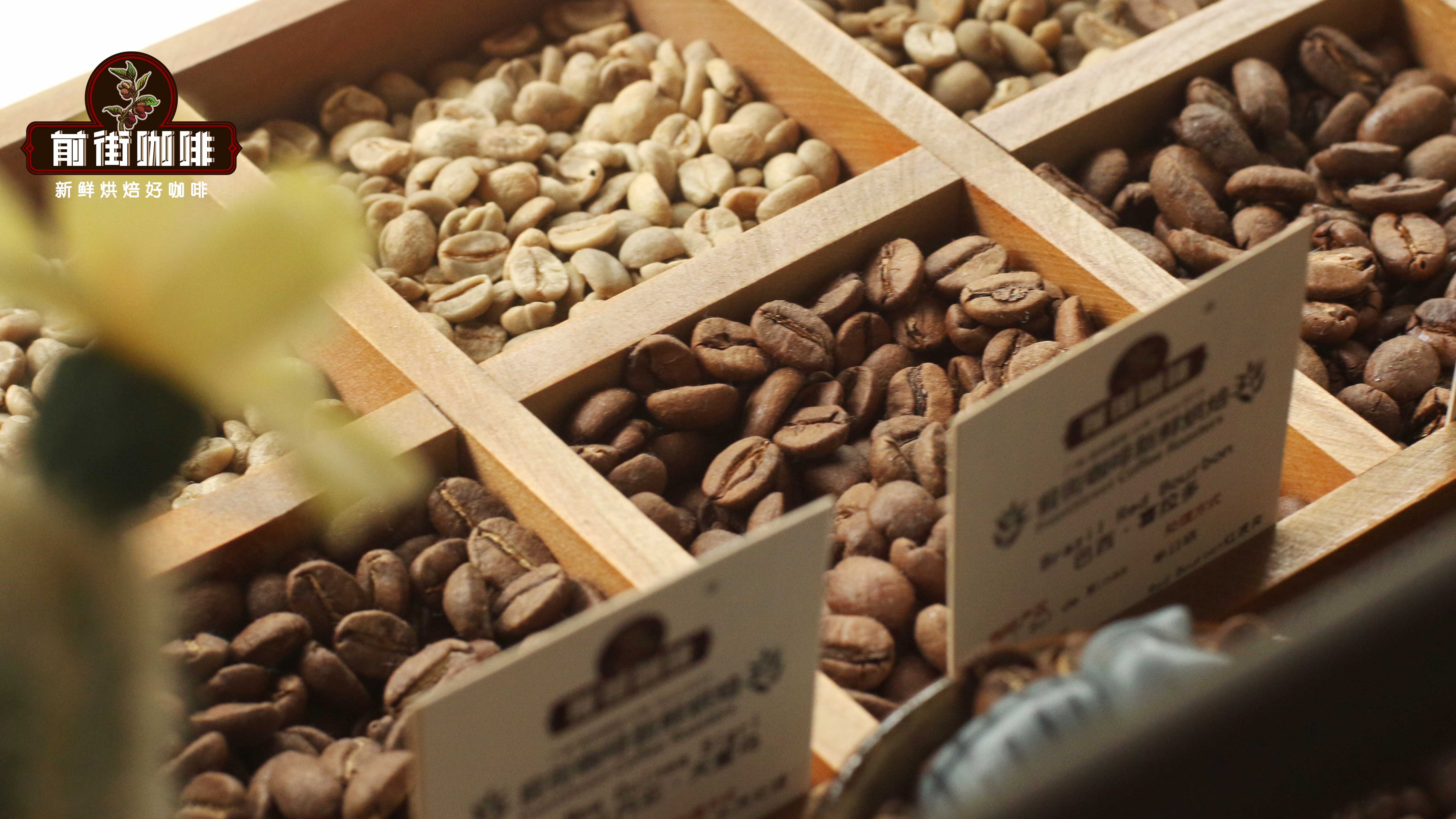
Brazilian Specialty Coffee Flavor Guide: Queen Farm Yellow Bourbon Caramel Sweetness and Full Pour-Over Parameter Analysis
Brazil, as the world's largest coffee producer, has a specialty coffee quality that is equally noteworthy. Front Street Coffee believes that the Yellow Bourbon variety produced by Queen's Farm best represents the flavor of the Brazilian region. This farm belongs to the Carvalho Dias family, which has repeatedly won COE awards, and through high-altitude cultivation, fully manual harvesting, and semi-dry processing, it presents a unique flavor interwoven with nuts, cream, peanuts, fermented fruit, and cane sugar. This article will systematically review Queen's Farm's origin background, variety characteristics, and processing method principles, and include Front Street Coffee's roasting and pour-over extraction parameters, taking you through a comprehensive understanding of the appeal of this high-end Brazilian coffee bean. [more…]
A Complete Guide to Brazilian Coffee Regions: From Red Bourbon to Yellow Bourbon, Flavor Profiles and Processing Methods Explained
Brazil is the world's largest coffee producer, and its coffee beans are known for their smooth mouthfeel and nutty notes. This article begins with the historical origins of Brazilian coffee, traces how the Bourbon variety replaced Typica to become the mainstay, and highlights two Brazilian Bourbon coffees on Front Street Coffee's bean list—the Red Bourbon from the Cerrado region of Minas Gerais and the Yellow Bourbon from Queen's Farm in São Paulo State. It also provides a detailed analysis of the differences between the pulped natural and natural processing methods, the purpose of medium-dark roasting, and brewing recommendations for the KONO dripper, giving you a comprehensive understanding of the flavor code of Brazilian specialty coffee. [more…]
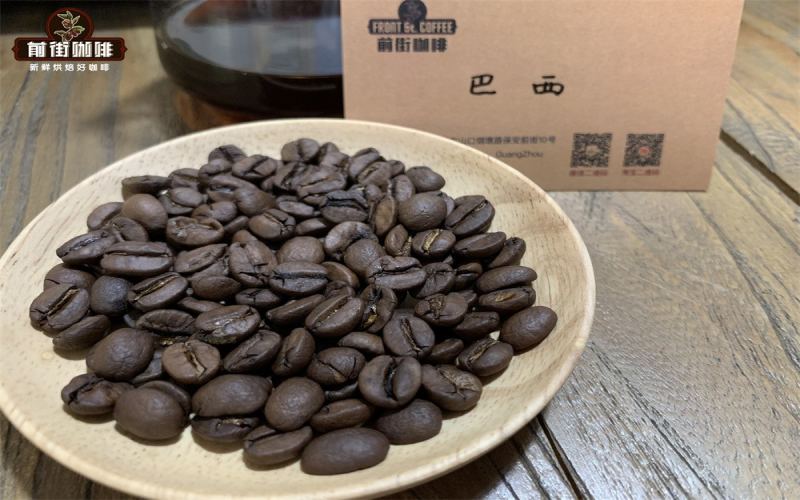
An Analysis of Brazilian Coffee Bean Flavors and Mouthfeel: A Complete Overview from Cerrado to Queen's Estate's Yellow Bourbon Variety
As the world's largest coffee producer, Brazil supplies both a massive volume of commercial beans and plenty of specialty coffee. Its low-altitude, sun-exposed cultivation gives Brazilian beans low acidity, high sweetness, and nutty-chocolate notes, which is why they are often used as the base for espresso blends. Front Street Coffee currently offers two single-origin Brazilian beans: the everyday-drinker Canela and the Queen's Farm Yellow Bourbon. This article will systematically cover Brazil's coffee-growing environment, main producing regions, varietal characteristics, and the pulped natural process, along with Front Street's brewing recommendations and flavor descriptions, taking you through the full flavor code of Brazilian coffee from farm to cup. [more…]
Why Are Brazilian Coffee Beans the Top Choice for Blends? A Comprehensive Analysis from Regions and Varieties to Grading
Brazil, as the world's largest coffee producer, offers both large-volume commercial beans and COE specialty coffees. Front Street Coffee currently carries only two Brazilian beans, because their flavor is stable but relatively one-dimensional. This article takes an in-depth look at the growing regions, varieties, and processing methods of Front Street's two beans, Brazil Cerrado and Queen Estate, explains the origins of the pulped natural process, and details Brazil's unique three-tier grading system. It also shares Front Street's brewing recommendations and flavor performance, helping you understand why Brazilian beans, with their affordable price and nutty notes, have become the top choice for espresso blends. [more…]